Fracking: A Silent Death Sweeps Across the World

15th May 2013
Farmland is tainted. Drinking water is flammable. And humans along with animals are sick.
The cause? Fracking.
It’s terrorizing the environment,
destroying the health of those who live close to the sites and
contaminating the food supply. With more than 600,000 fracking wells and
waste injection locations around the country, if this practice is not
contained soon, clean water and food will become a distant memory.
Fracking 101
What exactly is fracking? It’s a
technique used by the oil industry to facilitate the flow of natural gas
or petroleum by injecting mass amounts of noxious liquid deep into the
earth. The chemicals used in fracking (benzene, arsenic, ethylene
glycol, lead, formaldehyde, toluene, Uranium-238, Radium-226, to name a
few) devastate the land and water within proximity to the poisonous
injection sites. Even more alarming, the toxins are also linked with
birth defects, cancer, autism, kidney failure and autoimmune disorders.
Water on Fire
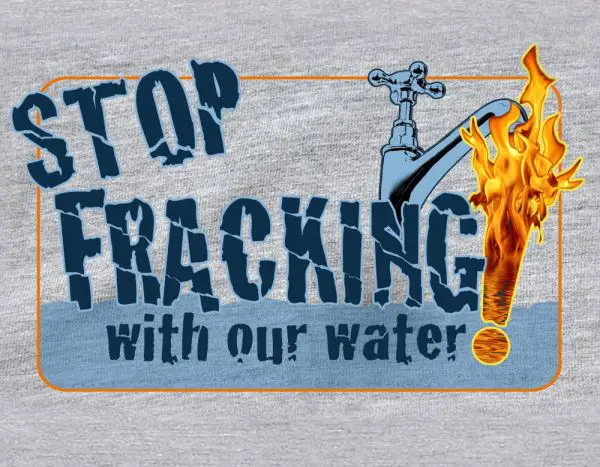
One of the more dramatic illustrations
of fracking contamination is water catching fire straight our of the
faucet. Seriously. The methane levels are so high, tap water becomes
combustible. Not only does fracking ruin the land and water, but it also
infuses livestock and plants with toxins that eventually enter into the
food supply. Farmers who live close to fracking wells have become
seriously ill, animals die.
One example is seen with Marilyn and
Robert Hunt, farmers in West Virginia. Goats, chickens and cattle are
raised on their 70-acre organic farm. The Hunts turned down an offer
from the Chesapeake Energy Corporation to lease their minerals
rights. This didn’t prevent Chesapeake from “stealing gas from both
sides of our property,” according to Mrs. Hunt in the Organic Consumers Association article,
“Fracking our Farms: A Tale of Five Farming Families.” Then, in 2010,
the company received a permit to dispose fracking waste on her land. She
recalls, “The water got little white flecks in it, and we started to
get sick. We lost a whole lot of baby goats that got gastrointestinal
disorders from drinking the water.” Curiously, the cattle were spared
any adverse effects. Mrs. Hunt believes this is due to the fact that the
cattle drink from an uncontaminated spring high on the property.
Susan Wallace-Babb, a Colorado rancher,
has also suffered from fracking. In 2005, she breathed in fumes from an
overflowing natural gas tank half a mile from her property. She
collapsed, unconscious. The next morning, Susan was violently ill with
severe diarrhea and uncontrollable vomiting. Within a few days, a
burning rash broke out over her body, lesions soon followed. Her
symptoms became worse whenever she went outdoors. A year later she moved
to a small town in Texas. Susan’s health improved over the course of
three years until Exxon began fracking wells 14 miles away. Her symptoms
returned within a few short months.
End the Madness
Until farmers refuse to lease their land
to fracking operators, the problem will continue to escalate. In an
effort to educate fellow ranchers about the dangers of fracking, Jacki
Schilke of North Dakota, warns, “They’re here to rape this land, make as
much money as they can and get the hell out of here. They could give a
crap less what they are doing here. They will come on your property look
you straight in the eye and lie to you.”
For those who find fracking unacceptable, a petition to ban the practice in the United States can be found here.
To learn more, the Dangers of Fracking website offers unique animated information.
SOURCE:
Sources for this article include:
